UNITED STATES ONLYSevere Weather
Official alerts and calm safety steps, displayed right here on KindLaugh.
Safety guidance checked October 3, 2026Current national outlookA slow-moving front is focusing heavy to excessive rain and a flash- and urban-flooding threat across the northern Gulf Coast and Southeast through the weekend. Southern California's potentially record-breaking heat will spread north toward the Bay Area and Central Valley into next week.
Prepared from the National Weather Service national briefing on October 3, 2026.LIVE OFFICIAL ALERTSCheck your state without leaving KindLaugh
KindLaugh displays active National Weather Service alerts here. Always follow local officials during an emergency.
Choose a state, then tap Show active alerts.
KindLaugh is not an emergency service. If a warning is issued for your location, follow the National Weather Service, Wireless Emergency Alerts, and local officials immediately. Never drive through floodwater.
ON-SITE SAFETY GUIDESKnow what to do before weather turns dangerous
Open any card for short, practical steps. No card sends your family to another website.
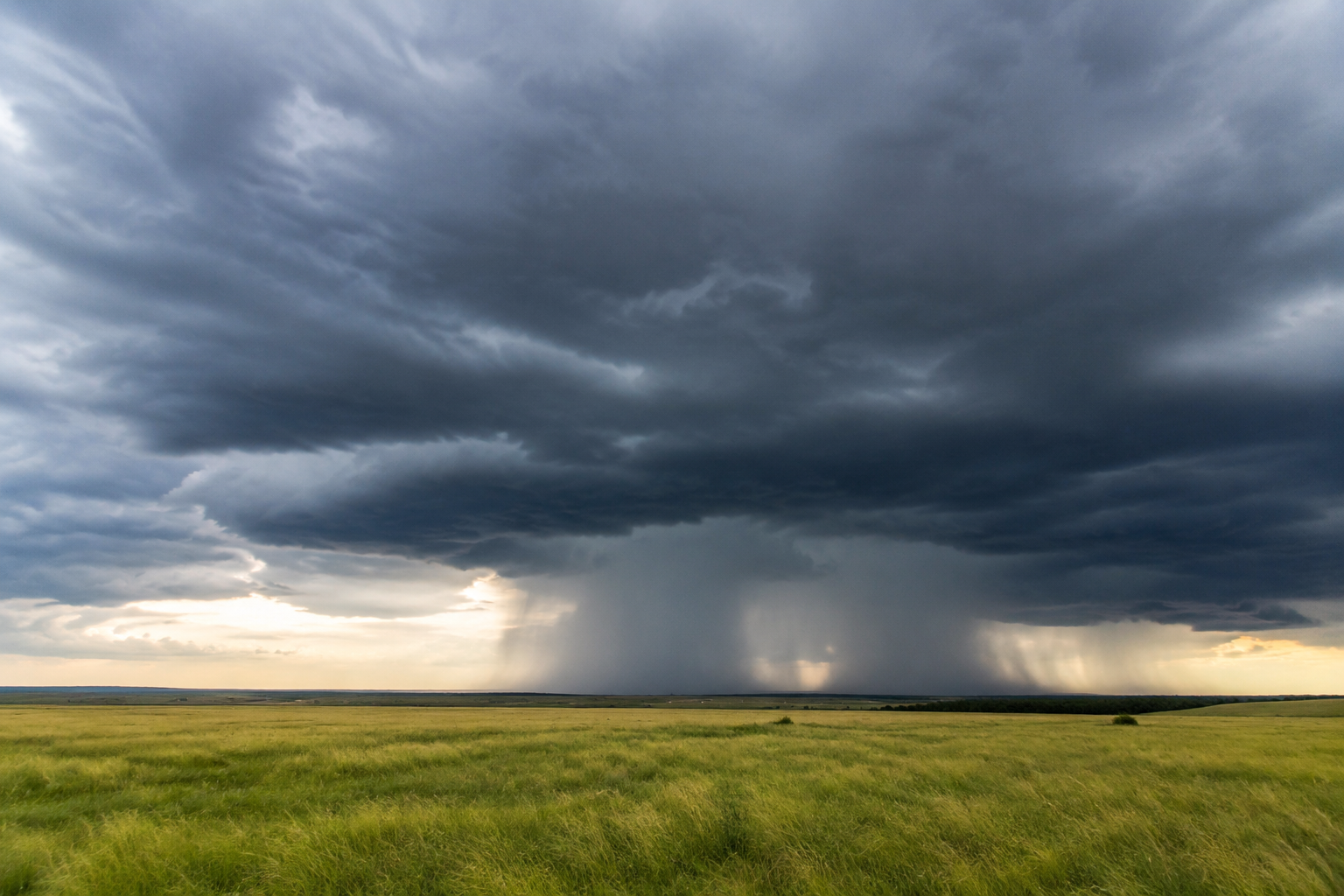
Severe thunderstorms
Move indoors when thunder begins and stay away from windows, plumbing, and plugged-in equipment.
Show safety steps
- Go inside a sturdy building or hard-top vehicle.
- Stay inside for 30 minutes after the last thunder.
- If a warning names your area, follow it immediately.
Flood and flash-flood safety
Water can rise quickly and hide washed-out roads. Get to higher ground when officials warn you.
Show safety steps
- Never walk, swim, or drive through floodwater.
- Keep children away from creeks, drains, and fast water.
- Turn around and choose another route.

Tornadoes
Know the safest room before a warning: a small interior room on the lowest floor of a sturdy building.
Show safety steps
- Move away from windows.
- Cover heads and necks with arms, helmets, or sturdy padding.
- In a vehicle, reach a sturdy shelter if officials say it is safe to do so.
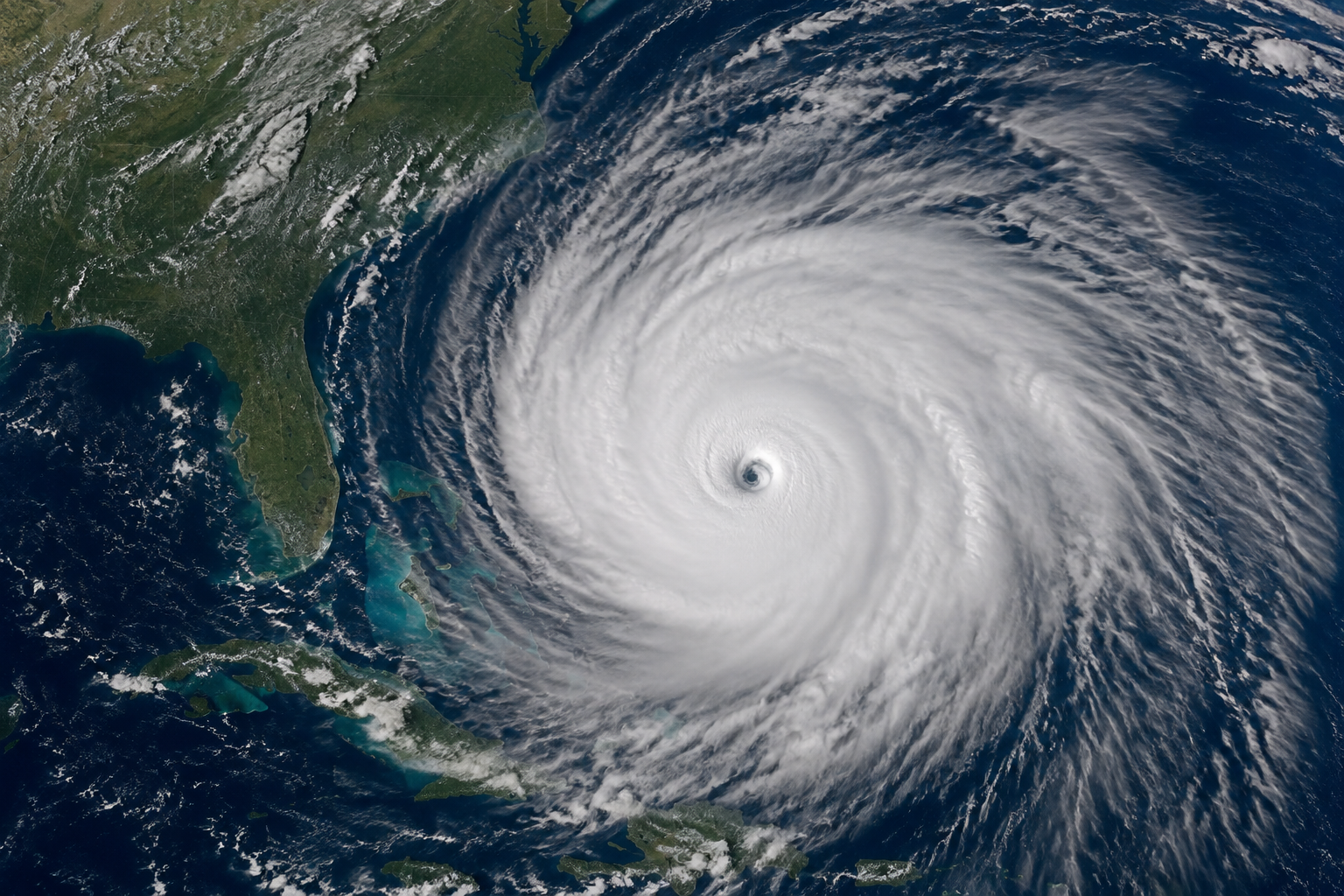
Hurricanes
Prepare early, know the evacuation zone, and leave when local officials order an evacuation.
Show safety steps
- Charge phones and gather medicines, water, and documents.
- Bring pets and never ignore a storm-surge warning.
- Do not return until officials say the area is safe.
Snow, ice, and extreme cold
Limit travel, dress in dry layers, and watch for shivering, confusion, or unusual tiredness.
Show safety steps
- Keep blankets, water, food, and a light in the car.
- Never run a generator or grill indoors.
- Go inside and get adult help for signs of cold injury.
Phone and family alert plan
Keep Wireless Emergency Alerts on and choose a family meeting place before severe weather begins.
Show safety steps
- Charge phones and turn the volume up overnight.
- Choose one trusted out-of-area contact.
- Practice where everyone goes for tornado, flood, and fire warnings.
Weather changes quickly. Use the live alert checker again before travel, sports, camping, or outdoor activities.